
Emial Us :
iven@hjauto.com.cn
leave a message
If you are interested in our equipment and want to know more details, please leave a message here.
we will contact you as soon as possible.
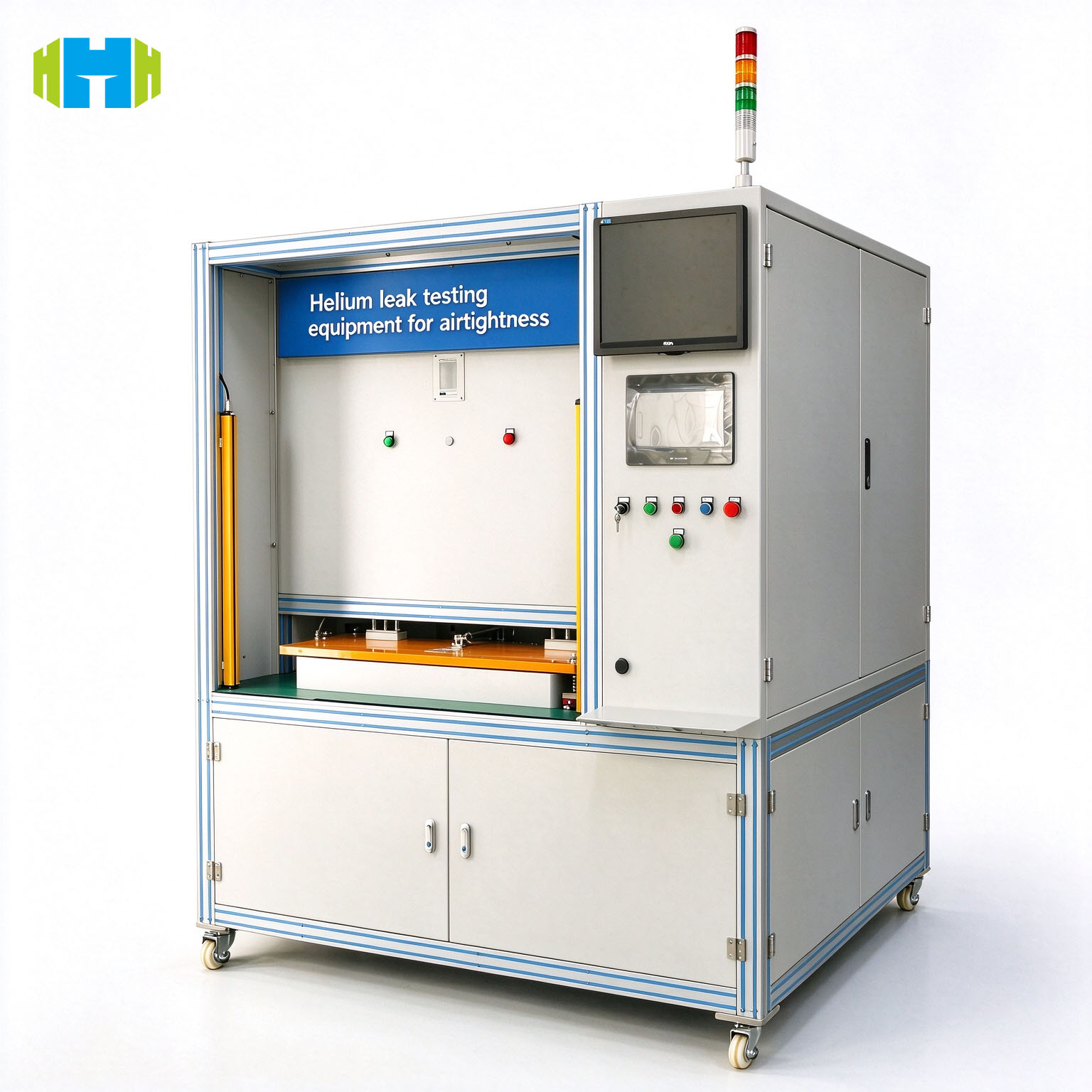
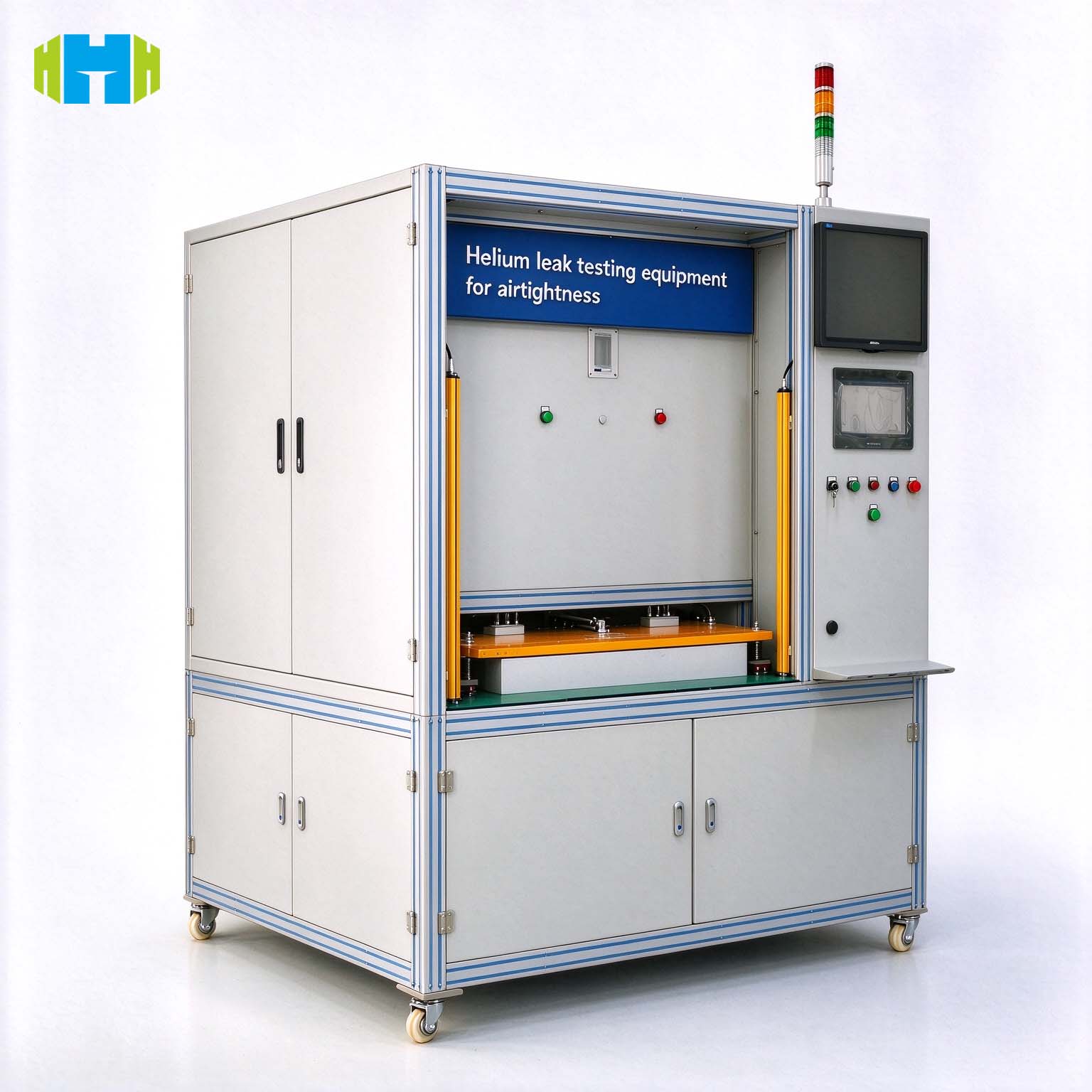
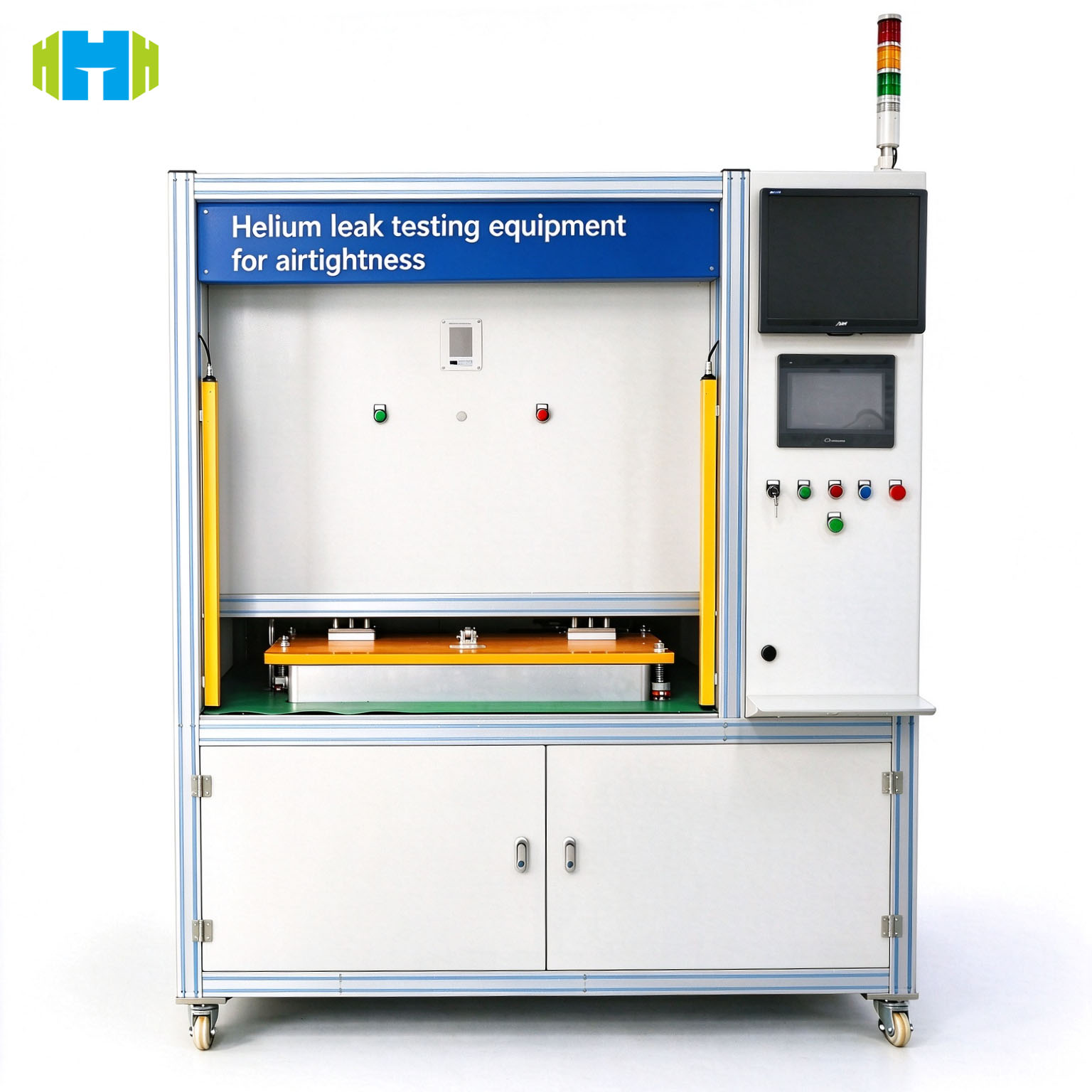
Improve EV battery enclosure quality control with automatic vacuum chamber helium leak testing equipment. Factory-direct supply, customized testing solutions, and technical support.
Brand :
HONGCEModel :
HJ111Certificate :
Calibration Certificate(Cost Additional)Product Origin :
CHINAPayment Method :
T/T,T/CRegular Packaging :
PlywoodBattery enclosures often incorporate welded joints, cover interfaces, sealing surfaces, connectors, and other potential leakage paths. A consistent inspection process helps manufacturers identify sealing defects before products move to subsequent assembly or delivery stages.
This vacuum chamber helium leak testing system is intended to help manufacturers establish a repeatable inspection process rather than rely solely on manual checks or simple pressure-decay measurements.
The product uses a vacuum chamber and helium tracer-gas detection arrangement. Under the configured test procedure, the chamber and workpiece are prepared for inspection, the required vacuum and helium conditions are established, and the system evaluates the measured leak signal against the configured acceptance threshold.
The actual test sequence depends on the equipment configuration and the customer's workpiece design. Detailed process logic, fixture interfaces, and acceptance criteria should be confirmed during technical evaluation.
Helium is used as a tracer gas because its physical properties allow a dedicated detector to identify small quantities of gas passing through a leakage path. Vacuum-based testing can provide sensitive, repeatable measurements when the test arrangement, background conditions, calibration, and workpiece preparation are properly controlled.
For battery enclosure manufacturers, this approach can support:
The final achievable sensitivity for a particular product depends on the complete test system, the test method, the workpiece's internal volume, surface conditions, background helium, and the customer's acceptance criteria.
The equipment specification identifies automatic product sealing. This helps establish a consistent test interface and reduces repetitive manual intervention during the inspection cycle.
The system includes one vacuum chamber. The specified chamber vacuum is ≤0.1 mbar, while the specified product vacuum is ≤30 mbar. These are separate parameters and should not be treated as interchangeable.
The specified test-pressure range is 0–0.5 MPa, adjustable. The appropriate setting must be selected according to the actual test configuration and the approved product test procedure.
The helium concentration is adjustable from 50% to 90%, allowing the process to be configured around the specified test method and production requirements.
The equipment specification lists a minimum detectable leak rate of 1.0 × 10⁻⁷ mbar·L/s. This is the stated equipment specification, not a guarantee that every workpiece will achieve that sensitivity under every test condition.
For further specifications regarding the equipment, please contact our service team.
The equipment is intended for battery enclosure airtightness inspection. The following applications may be considered subject to fixture compatibility, workpiece volume, test-port design, and the agreed leak-rate limit.
Inspect sealed battery housing assemblies for leakage paths that may affect enclosure protection and product reliability.
Evaluate enclosure sealing after welding, joining, cover installation, or other sealing processes, where the product design permits the selected test method.
Inspect cover joints, sealing interfaces, and other enclosed boundaries that can be connected to the defined test arrangement.
Evaluate leakage associated with weld seams and joined metal structures. Actual defect detectability depends on the leakage path and test conditions.
With appropriate fixtures and validated process settings, the system may be evaluated for compatible sealed components used in battery assemblies.
For new battery enclosure designs, our engineering team can review workpiece drawings, sealing structures, test ports, cycle-time targets, and acceptance limits before proposing a suitable test arrangement.
The exact compatible workpiece range should be confirmed before ordering. This is especially important for large enclosures, complex internal cavities, multiple independent sealing zones, and products that require separate testing of individual interfaces.
The best method depends on the workpiece, acceptable leakage rate, throughput target, operating cost, and customer quality requirements. Helium testing is not automatically the most economical choice for every product.
Test systems are long-term production assets; support services for them extend beyond initial delivery to encompass ongoing operation, maintenance, and the assurance of process stability.
Depending on the agreed scope of supply, our services may include:
Specific details regarding the scope of service, response arrangements, warranty terms, and on-site service schedules will be clearly defined in the technical agreement or contract.
Q1: What is vacuum chamber helium leak testing equipment used for?
It is used to inspect the sealing performance of compatible enclosed components by detecting helium passing through leakage paths under a defined test procedure. This equipment is intended for battery enclosure and related airtightness inspection applications.
Q2: What is the minimum detectable leak rate of this equipment?
The supplied technical specification lists a minimum detectable leak rate of 1.0 × 10⁻⁷ mbar·L/s. Actual measurement performance depends on test conditions, calibration, background helium, the workpiece, and the validated test arrangement.
Q3: What is the production cycle time?
The specified production cycle is ≤60 seconds. The actual cycle should be confirmed using the customer's workpiece and required test process.
Q4: What helium concentration can be used?
The specified helium concentration is adjustable from 50% to 90%. The required concentration should be selected according to the approved test procedure.
Q5: What vacuum levels are specified?
The equipment specification lists a vacuum chamber pressure of ≤0.1 mbar and a product vacuum of ≤30 mbar. These values refer to different parts of the system and should be confirmed during technical review.
We are a developer and manufacturer specializing in industrial testing solutions. Our operations encompass engineering design, equipment manufacturing, and application-specific configuration, all aimed at helping clients establish practical, repeatable quality control processes.
Our equipment is designed to integrate seamlessly with actual production workflows for battery housing leak testing. When selecting a long-term solution, critical factors such as testing sensitivity, cycle times, fixture compatibility, helium consumption, and maintenance requirements are all taken into account.
Clients work directly with our engineering and production teams to discuss requirements and clarify technical details prior to ordering, ensuring professional support throughout the entire implementation process.
As a direct manufacturer, we are committed to clear technical communication, practical equipment solutions, and reliable service—moving away from one-size-fits-all sales approaches.
Discuss Your Battery Housing Leak Testing Needs
Please contact our team and provide your product drawings, target leak rates, and production requirements. We will evaluate your application and discuss suitable vacuum-chamber helium leak testing configurations.

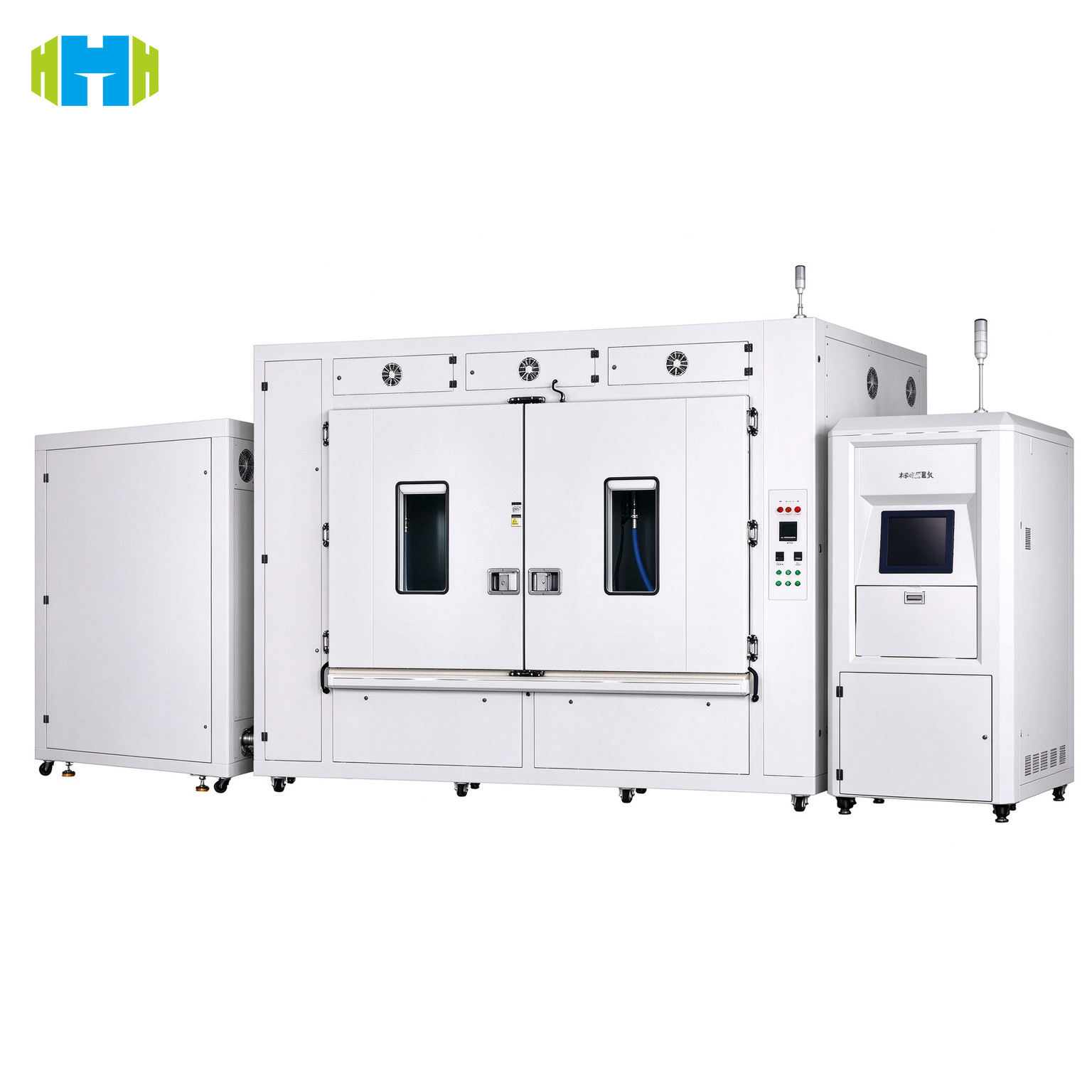
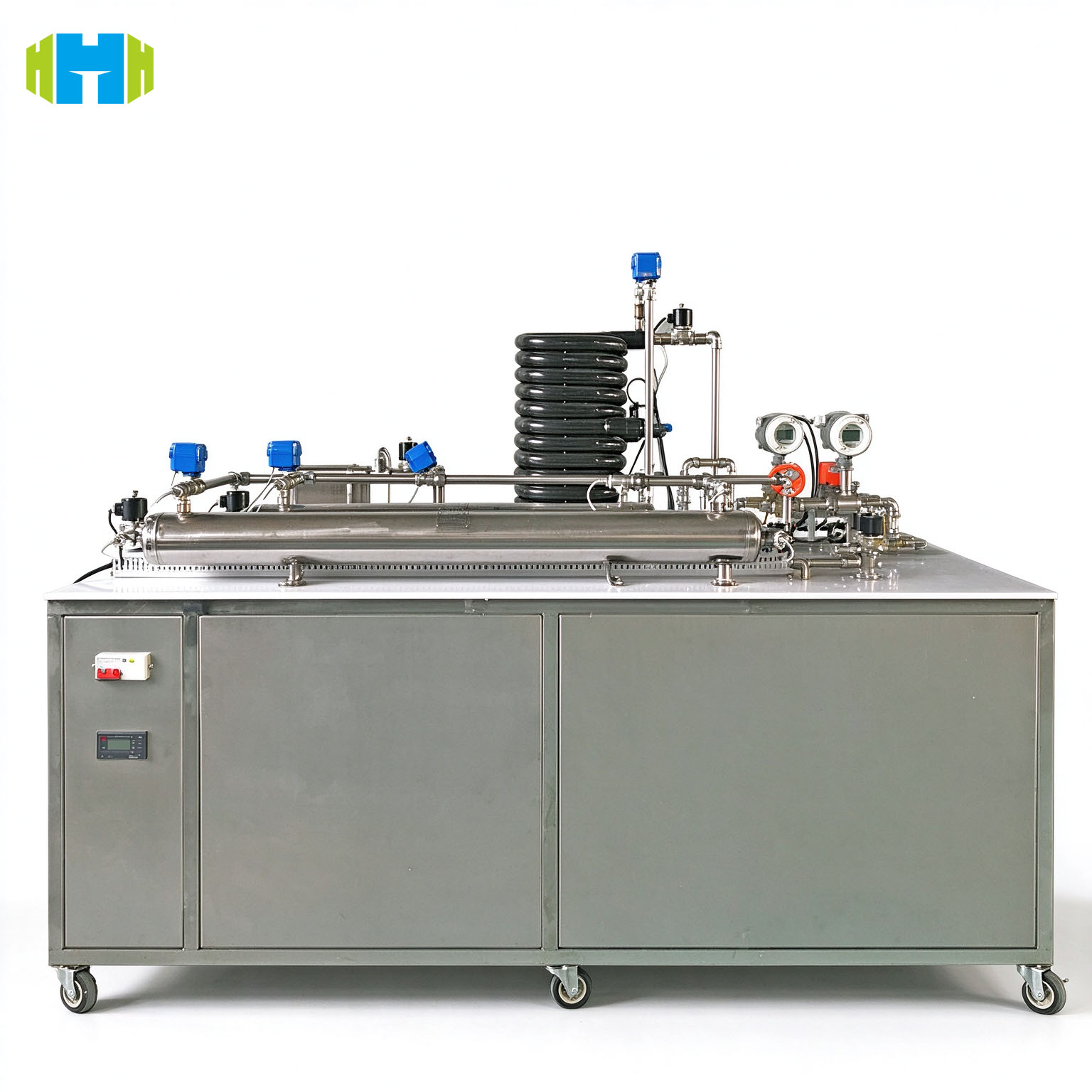
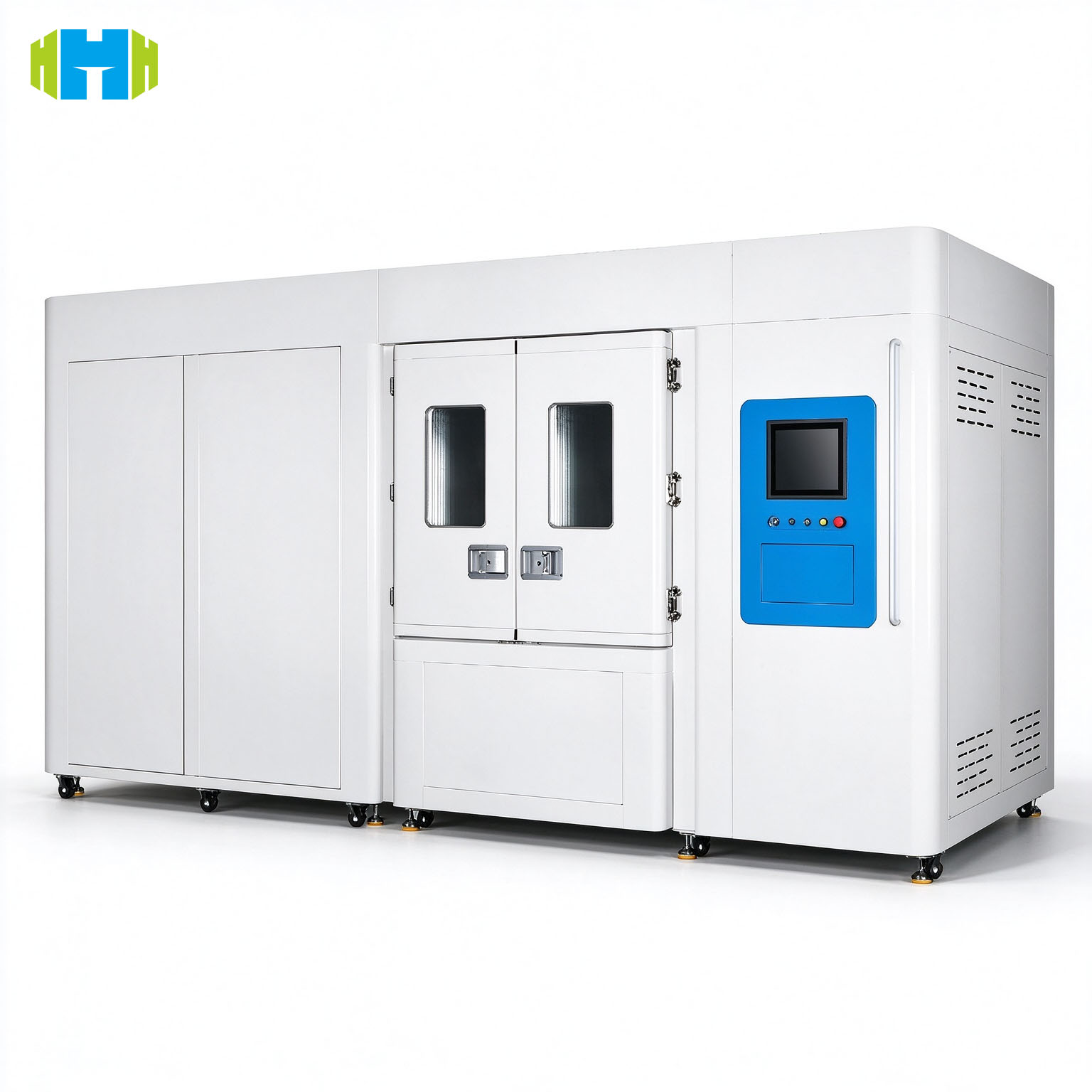
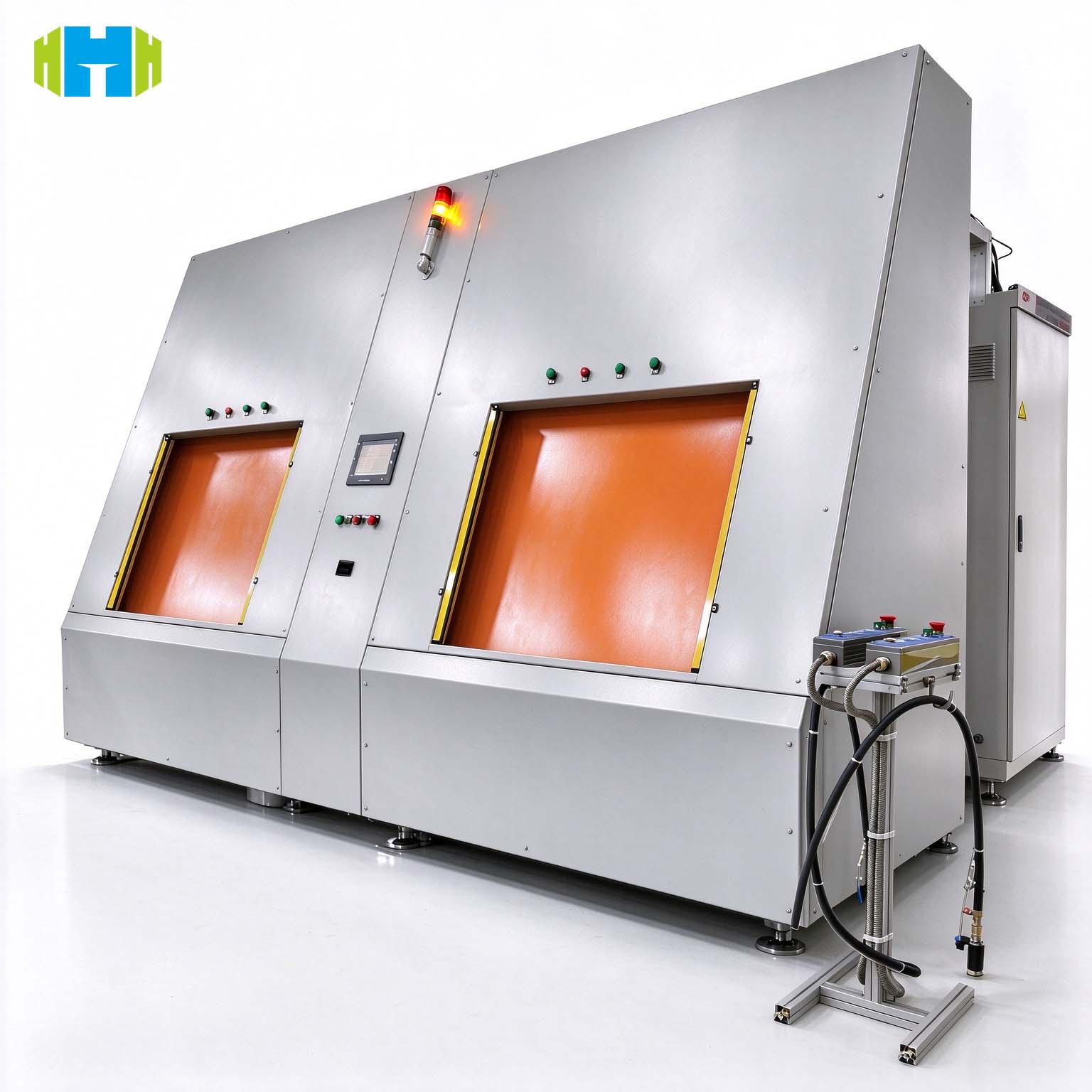
Designed for leak testing split-system air conditioner condensers and evaporators, this dual-chamber helium leak testing system helps identify leaks in compatible refrigerant heat exchanger assemblies. It features vacuum chamber detection and a specified helium recovery rate of ≥98%.
Details
Improve EV battery enclosure quality control with automatic vacuum chamber helium leak testing equipment. Factory-direct supply, customized testing solutions, and technical support.
Details
The ceramic component multi-station helium mass spectrometer leak detector airtightness testing equipment is an efficient and accurate automated testing tool, mainly used to detect tiny leaks in high-precision products such as ceramic components.
Details
The electric vehicle direct cooling plate helium inspection equipment is a high-precision inspection equipment specially used to inspect the sealing of electric vehicle direct cooling plates. The equipment adopts advanced helium mass spectrometry leak detection technology, which can quickly and accurately detect tiny leaks in the direct cooling plate, ensuring that the quality and performance of the direct cooling plate meet the requirements of electric vehicles.
DetailsOur hours
Mon 11/21 - Wed 11/23: 9 AM - 8 PM
Thu 11/24: closed - Happy Thanksgiving!
Fri 11/25: 8 AM - 10 PM
Sat 11/26 - Sun 11/27: 10 AM - 9 PM
(all hours are Eastern Time)

 en
 ar